
The Beginner Sewing Tool Kit: 9 Essentials That Actually Matter
Affiliate Disclosure: This post contains affiliate links, which means I may earn a small commission at no extra cost to you. I only recommend tools I genuinely use and trust in my own sewing space.
Walk into a craft store as a beginner and it can feel like you've accidentally enrolled in an advanced course you didn't know existed.
There are rulers with mysterious markings. Specialty presser feet for techniques you've never heard of. Entire walls of notions that seem very important but come with absolutely no explanation.
It's a lot. The good news is that you don't need most of it.
One of the biggest misconceptions about sewing is that you need a room full of supplies before you can begin. In reality, a small collection of reliable tools will take you surprisingly far.
Around here, we believe sewing gets easier when you understand the system. The same is true for your sewing tools. You don't need every gadget. You just need the tools that help you learn, practice, and troubleshoot with confidence.
Let's make it make sense.
Want to Skip the Research?
If you’d rather spend your time sewing than comparing dozens of products, I’ve gathered all of my beginner-friendly recommendations in one place.
Shop the Complete Beginner Sewing Kit
Everything in this guide is included, along with the exact tools I recommend for new sewists.
The 9 Beginner Sewing Tools That Actually Matter
1. Fabric Scissors
Good sewing starts with clean cuts.
Fabric scissors are often the first tool beginners underestimate.
If fabric isn't cut accurately, pieces become harder to align later. Crooked cutting can create sewing problems that seem mysterious until you trace them back to the beginning.
This is a perfect example of the Sew What Systems Method™ in action. Sometimes the problem isn't happening where you think it is. A dedicated pair of fabric scissors helps create consistency from the very first step.
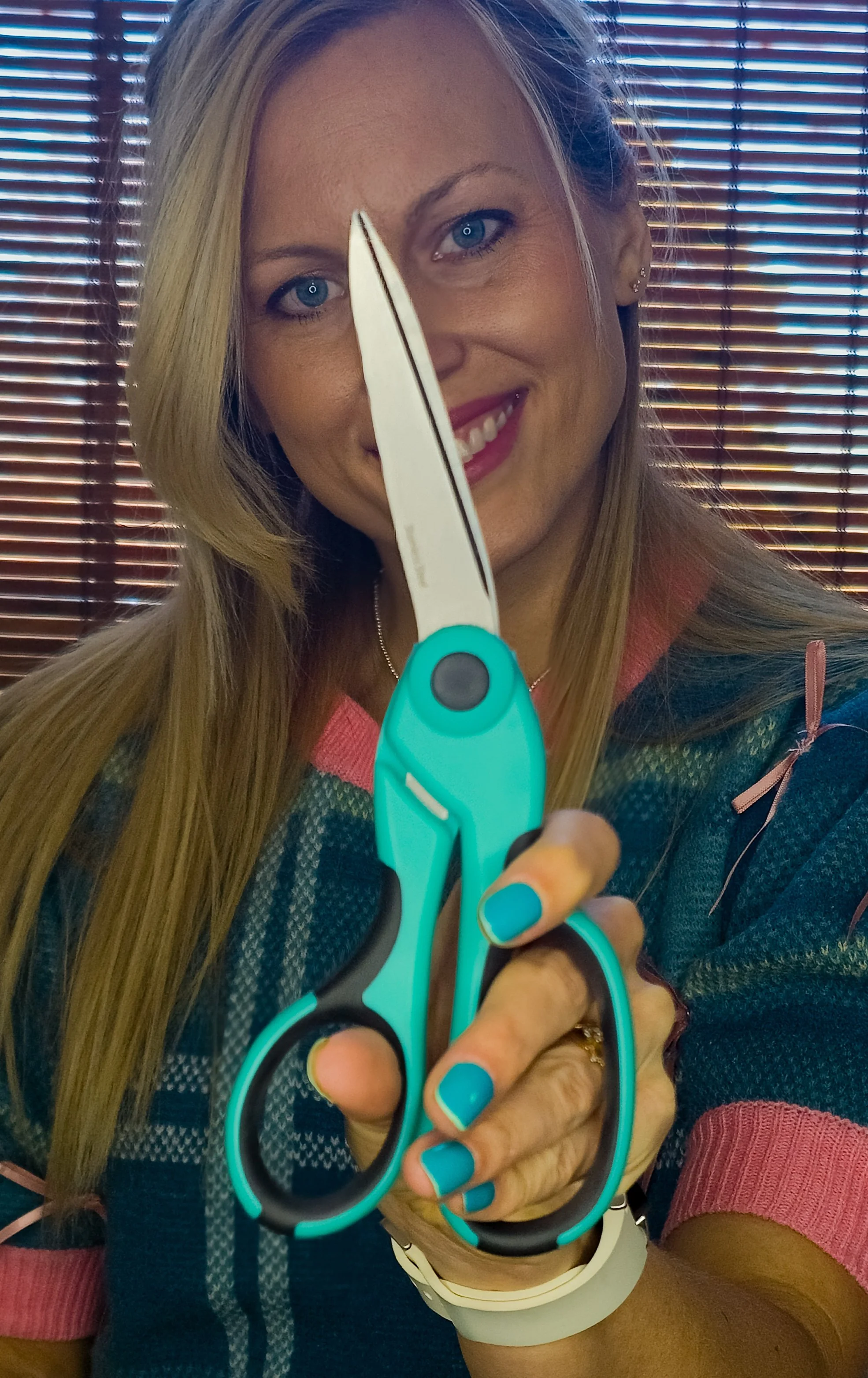
Beginner Tip: Keep them for fabric only. Paper dulls the blades surprisingly quickly.
Winter's Pick: A simple, sharp pair of fabric scissors that feels comfortable in your hand is all you need to start.
2. Pins or Clips
Their job is simple: keep fabric from wandering off.
Fabric has opinions.
Pins and clips help keep everything aligned while you're learning how different fabrics behave.
Pins are great for precision.
Clips are wonderful if you'd prefer not to become a human pincushion.
Neither option is better.
Choose whichever feels calmer and more comfortable for you.
Machines respond to inputs, but fabric responds to gravity, movement, and occasional chaos. Pins and clips help reduce some of those variables.
Winter's Tip: Start with one. You can always experiment with the other later.
3. Hand Sewing Needles
Some sewing problems are solved faster by hand than by machine.
Even if you plan to sew almost everything by machine, a small assortment of hand sewing needles is worth having nearby.
They're perfect for:
sewing on buttons
closing small openings
tacking down hems
quick repairs
finishing details
Think of them as the quiet little problem-solvers in your sewing kit.
You won't use them every day, but when you need them, you'll be glad they're there.
Shop assorted hand sewing needles
4. Quality Thread
If sewing suddenly becomes dramatic, thread is one of the first variables worth checking.
Beginners often assume sewing problems are caused by something they're doing wrong.
Sometimes the issue is simply poor-quality thread.
Low-quality thread can:
snap unexpectedly
create excess lint
tangle more easily
cause inconsistent stitching
Reliable thread removes an entire category of frustration.
You don't need every color in the rainbow.
Start with:
black
white
one color that makes you happy
That's more than enough.
Winter's Picks:
Gutermann Polyester Thread
Coats & Clark All-Purpose Thread
Both are dependable, beginner-friendly options.
Shop Gutermann Polyester Thread
Shop Coats & Clark All-Purpose Thread
5. Seam Ripper
Version one is data.
A seam ripper isn't a sign you've failed. It's a tool that allows you to iterate. Every sewist uses a seam ripper. Beginners. Experts. Everyone in between.
Sometimes you sew the wrong pieces together. Sometimes the tension goes rogue. Sometimes you simply change your mind.
That's not failure. That's sewing. A seam ripper gives you permission to fix mistakes without panic. Around here, we call it creative editing.
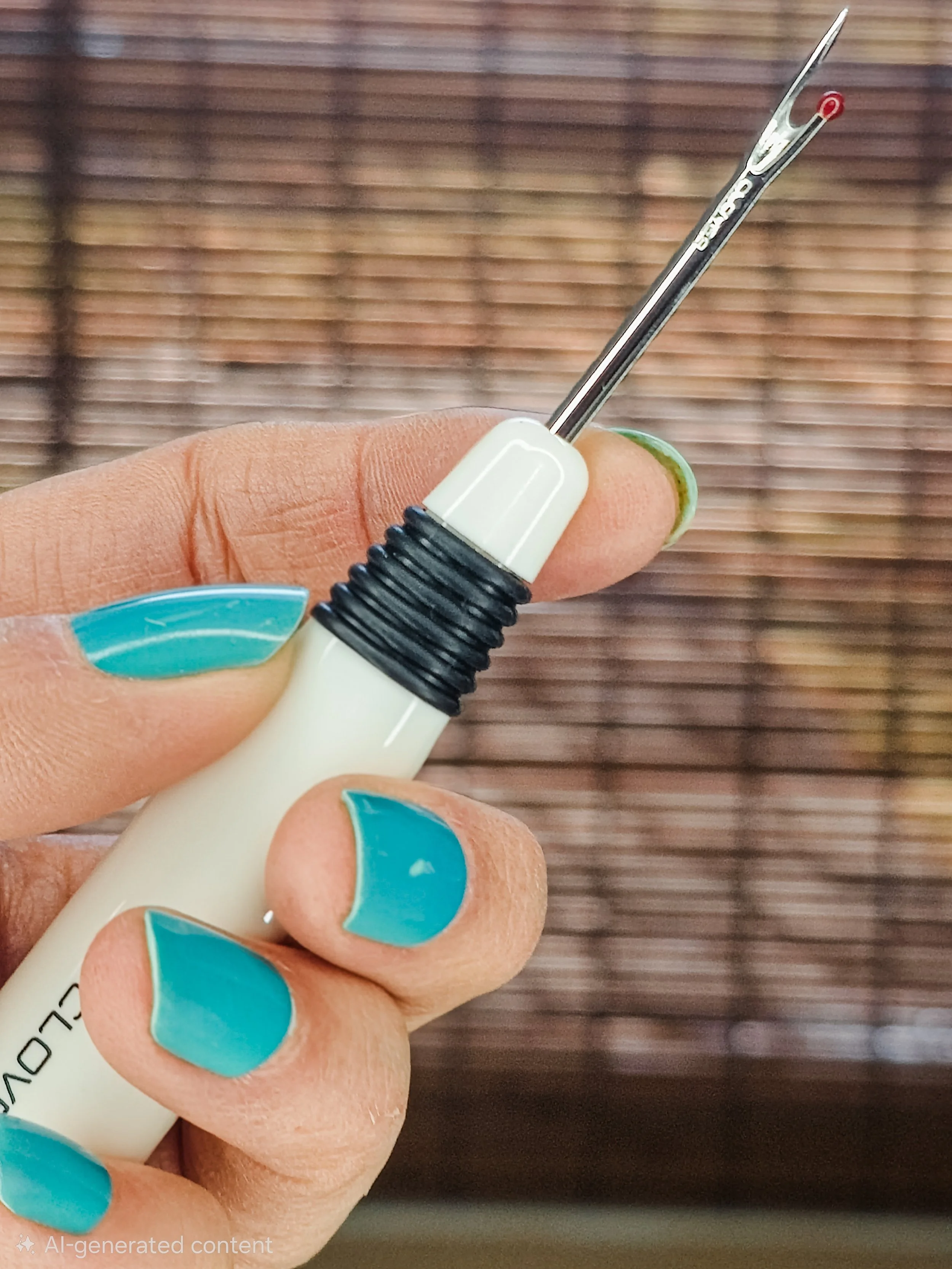
Winter's Tip: Buy one that feels comfortable to hold. You'll use it more than you expect.
6. Tape Measure
Measurements reduce guessing.
A soft tape measure is one of the simplest and most useful tools you'll own.
You'll use it for:
body measurements
hems
fabric measurements
pattern sizing
project planning
The goal isn't perfect accuracy every time. The goal is reducing unnecessary surprises. And a tape measure does exactly that.
Look for a standard 60-inch flexible tape measure that's easy to read. Nothing fancy required.
Shop flexible sewing tape measure
7. Fabric Marking Tool
Temporary markings help your future self succeed.
Fabric marking tools act like little notes to yourself.
They help you remember:
where to sew
where to fold
where to place darts
where pattern markings belong
There are plenty of options:
tailor's chalk
washable markers
heat-erasable pens
You don't need all of them. One reliable marking tool is enough to begin.
Important: Always test on a fabric scrap first.
Some marks disappear beautifully. Others become permanent souvenirs. Let's avoid those.
8. Sewing Gauge
Tiny measurements create surprisingly big differences in sewing.
This small ruler often gets overlooked, but it's one of the most useful tools in a beginner sewing kit.
A sewing gauge helps with:
measuring hems
checking seam allowances
spacing buttons
marking small distances
If you like things lining up neatly but don't enjoy pulling out a full tape measure every five minutes, this tool is for you.
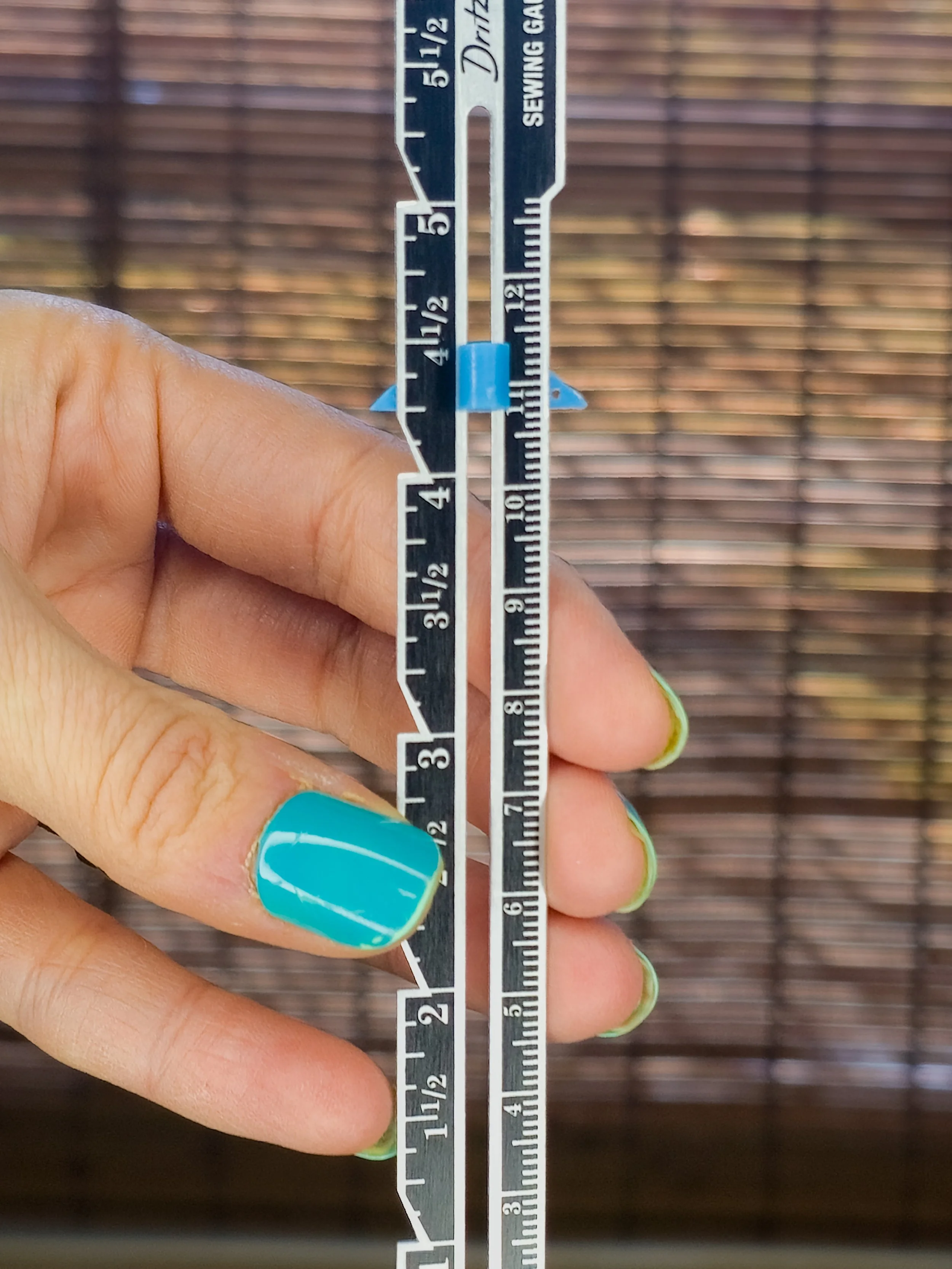
It's simple. It's affordable. And it makes sewing feel much more manageable.
9. A Simple, Reliable Sewing Machine
Your first sewing machine does not need to impress anyone. It simply needs to work.
Many beginners believe they need an expensive machine to succeed.
They don't.
What matters most is understanding your machine, not owning the fanciest one.
A beginner-friendly sewing machine should have:
a straight stitch
a zigzag stitch
adjustable stitch length
reliable tension
clear instructions
That's it. You are learning to sew. You are not preparing to pilot a small aircraft. A dependable machine allows you to focus on learning the system instead of fighting unnecessary complexity.
Popular Beginner-Friendly Machines:
Any of these can help you build confidence while learning.
The One Tool That Didn't Make the List
An iron.
Not because it isn't useful. It absolutely is. In fact, pressing fabric can make the difference between a project that looks homemade and one that looks polished.
But if you're building your toolkit today, focus on the nine essentials above first. The iron can join the party shortly after.
Build Your Beginner Sewing Kit
Not sure where to start shopping?
I’ve collected all of the beginner-friendly tools mentioned in this guide into one easy-browse list.
Shop the Complete Beginner Sewing Kit
No overwhelm. No unnecessary gadgets. Just the tools that actually matter when you’re learning to sew.
What You Should Do Next
Building a sewing toolkit is only one piece of the puzzle.
Understanding how those tools work together is what builds confidence.
Ready to stop wondering where to begin?
Download the free Beginner Sewing Roadmap and learn sewing one calm, confidence-building step at a time.
Inside, you'll learn:
the beginner tools that actually matter
how to set up your sewing space
sewing machine basics
first stitches
beginner-friendly fabric guidance
simple checklists to keep you moving forward
Because sewing isn't random.
And neither is confidence.
Stop wondering and start learning sewing in a way that actually makes sense.
